4 min read DataRoad
In summary
- In a clinic, the Wi-Fi carries health data — the most legally protected information in existence.
- Patients in the waiting room and clinical software they can never share the same network.
- A network outage halfway through the consultation wastes doctor time — the clinic's most expensive feature.
- DataRoad already manages the IT for centres of excellence in Portugal, with GDPR taken seriously.
In this article
What is really at stake in a clinic chain
Patient records, test results, prescriptions, billing — everything that circulates on a clinic's network is health data, the most protected category of information under the GDPR. A leak is not just a technical problem: it is proceedings at the CNPD, it is the difficult phone call to patients, it is a reputation built over years falling apart in a week. And the most common entry point for problems like this is precisely a Wi-Fi network set up “just to work” without a thought for security.
Segregate networks: patients, staff and equipment
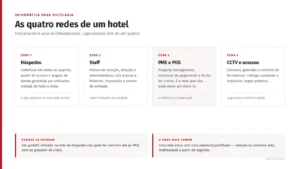
The golden rule is simple to state: Anyone in the waiting room can never be on the same network as the clinical software. In practice, a well-set-up clinic has three networks: the patients' network (simple, isolated internet), the staff's network (clinical software, diary, billing — protected and monitored), and the equipment network (printers, cameras, connected medical devices). Each in its own space, unable to see one another. It is this separation that turns a potential incident into an impossible one.
Speed is query time
There is a cost of poor Wi-Fi that few clinics measure: doctor time. If a clinical process takes ten seconds to open instead of one, and that happens thirty times a day in each consulting room, by the end of the month that adds up to hours of lost appointments — the clinic's most expensive resource staring at a progress bar. A well-designed professional network gives that time back. Patients notice less waiting; the team notices less frustration; management notices it in the schedule.
As we do in the clinics we manage
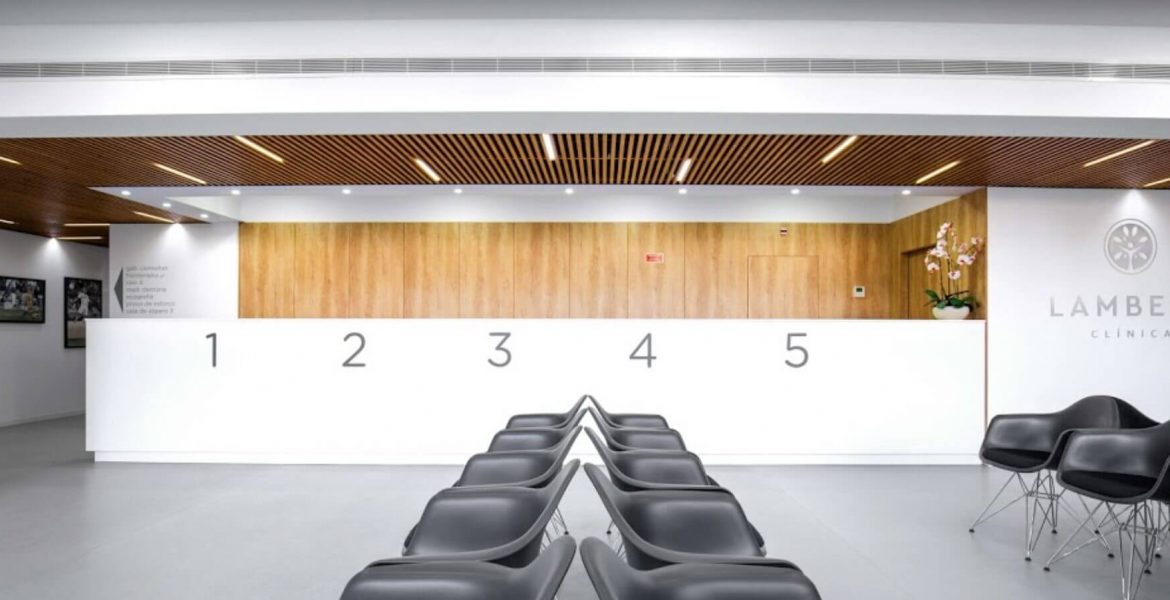
DataRoad manages the IT for clinics and doctor's surgeries — including cases like the Lambert Clinic. The process: we assess the current network and risks, we design the network separation, We install professional equipment outside of consultation hours, and we manage and monitor — with clinical data backups and an SLA-guaranteed response. The clinic looks after the patients; we look after the network.
A chat before making a decision
Whether you’re tackling a specific problem, planning a move or simply looking for a second opinion, we always start in the same way: by understanding your situation before making any suggestions. No obligation, no jargon and no catalogues.